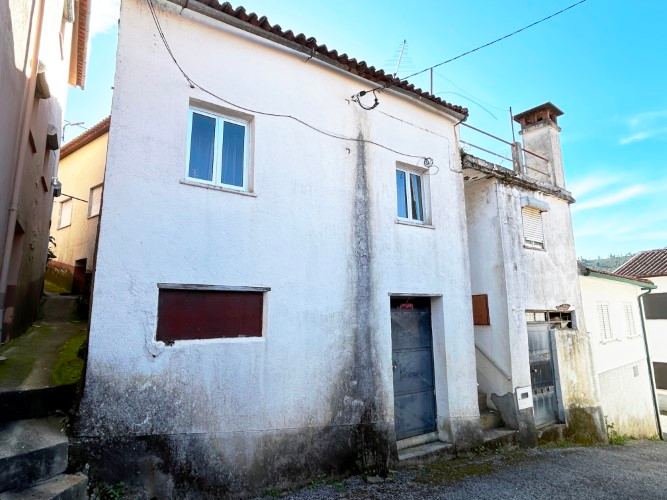
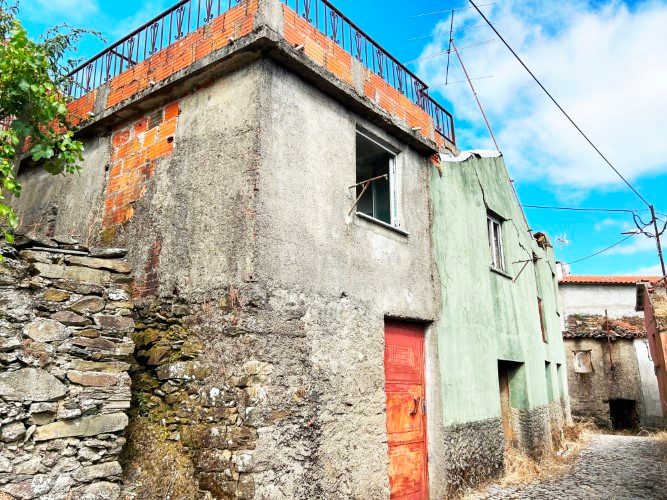
What your budget buys
Houses on the site today, by price. Each example links to its page.
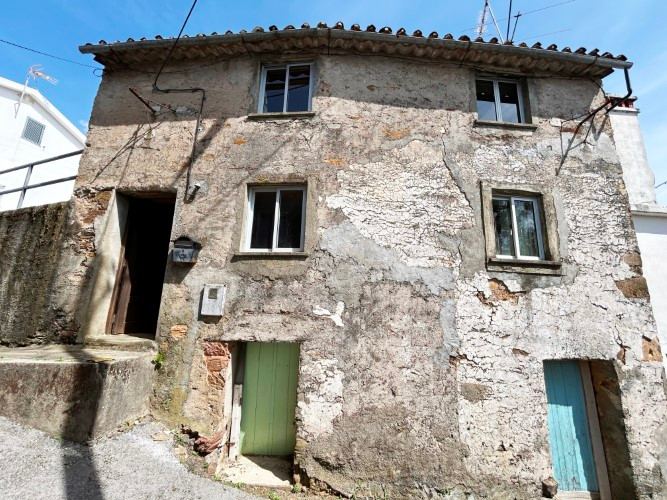
Under £20,000 · 11 homes
Village houses in stone or schist, most of them to restore, some with land.
£10,420Three-storey village house to renovate in the Pampilhosa da Serra hills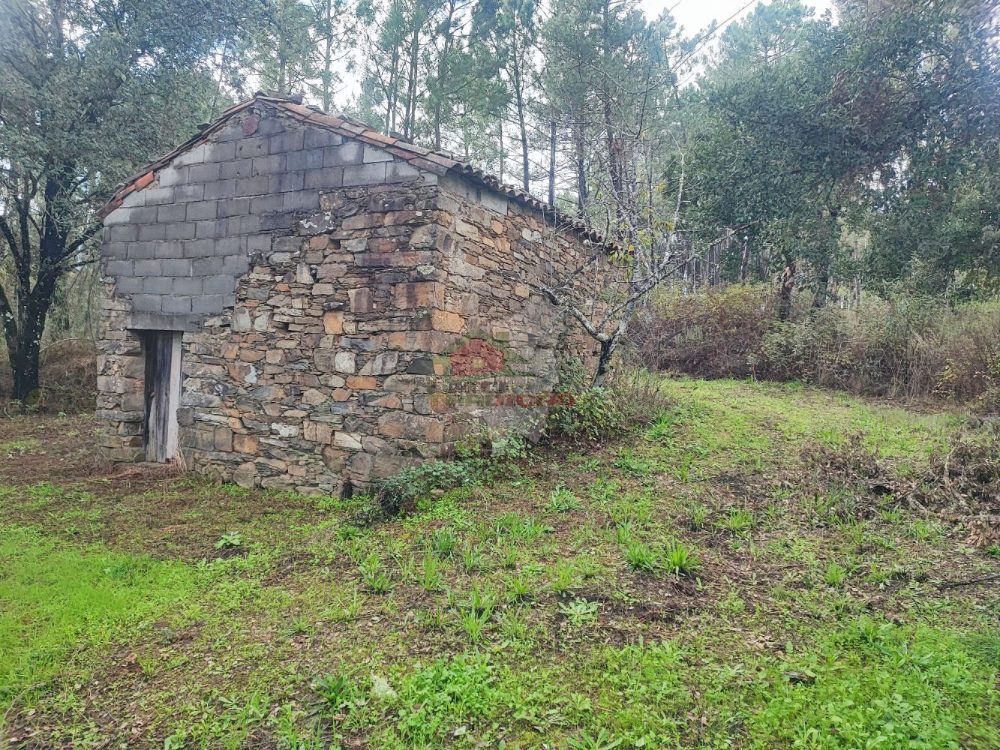
£20,000–£30,000 · 18 homes
Stone and granite houses, some with a garden or land, and small farms (quintas).
£25,007Small schist house with 8,900 m² of olives and pines at Marmeleiro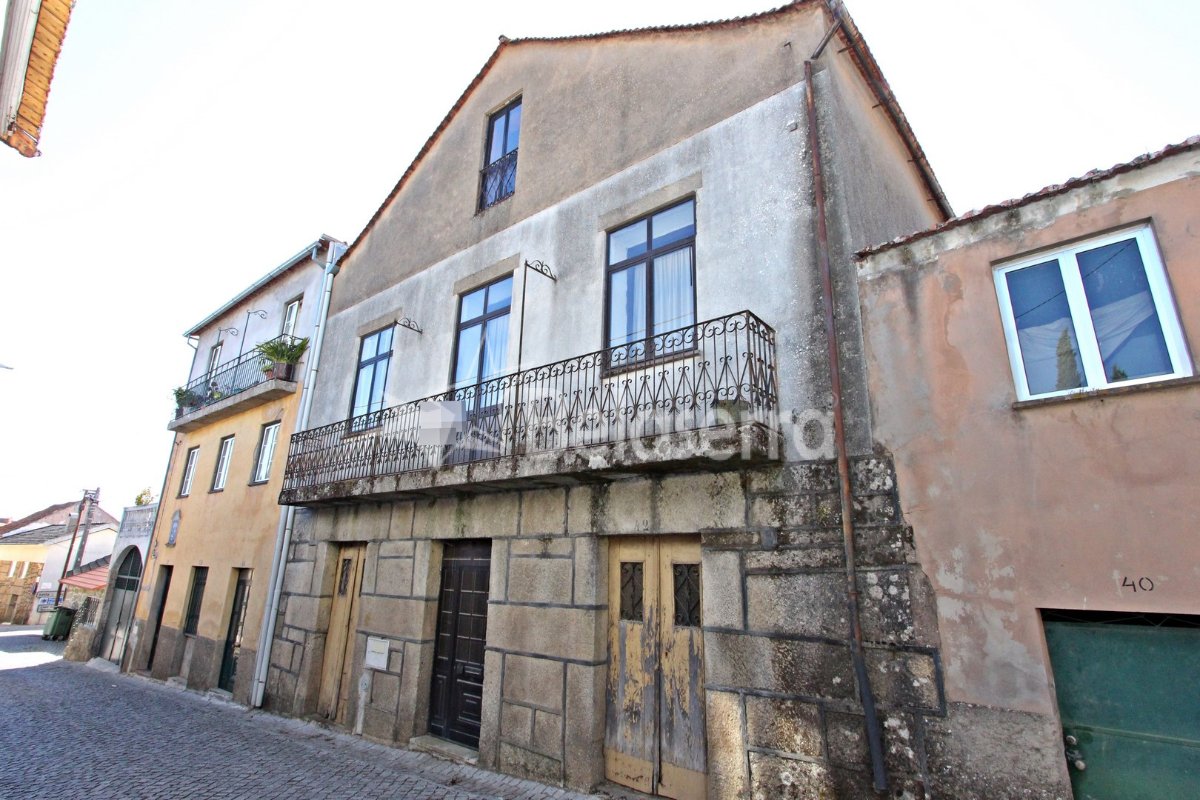
£30,000–£50,000 · 30 homes
Village houses with fruit or olive trees, and smallholdings with several thousand m² of land.
£33,343Stone village house with an old olive press at TouraisWhere to look
Below £50,000, Portugal means the centre of the country, inland from Coimbra, where the money buys more land than almost anywhere else in western Europe.
Pinhal Interior
Stone and schist villages in the wooded hills east of Coimbra, many near the River Zêzere and its reservoirs. The widest choice on the site.
Serra da Estrela
Granite villages on the slopes of the Serra da Estrela, mainland Portugal’s highest mountains.
Castelo Branco and the border
Villages around Castelo Branco, Idanha-a-Nova and Penamacor, towards the Spanish border.
Leiria
Villages in the district of Leiria, the nearest of these areas to the Atlantic coast.
The real cost: a £30,000 house in Portugal
The taxes below are for a buyer who is not tax resident in Portugal, as anyone living in the UK is.
The 7.5% rate has applied to non-residents since late May 2026 (Decree-Law 97/2026). If you become tax resident in Portugal within two years, you can apply, within six months of becoming resident, to pay the normal rate instead. Pounds at the site’s rate of the day. Sources: Your Overseas Home: IMT in 2026 · Portugal Property: the new IMT rate for non-residents.
How to buy a house in Portugal, step by step
Usually two to three months from the CPCV to the deed.
Start: the NIF and a bank accountChecks, the CPCV and the depositMonths 2–3: the deed and the keys
Obtain a NIF tax number
You need a Portuguese tax number (NIF) to pay the purchase taxes. Once you own property as a non-resident, you must appoint a tax representative or sign up for electronic tax notifications.
Open a Portuguese bank account
Not a legal requirement, but in practice it is used for the deposit, the taxes, the price and later the utility bills.
Have the paperwork checked
A lawyer obtains the caderneta predial (tax record), the certidão permanente (owners and charges), the licença de utilização (habitation licence) and the energy certificate. A rural home without a habitation licence can be very hard to license later.
Sign the CPCV and pay the deposit
The promissory contract (CPCV) sets the price, deposit and completion date. The deposit is usually 10–20%. Unless the contract says otherwise, a buyer who pulls out loses it and a seller pays back double.
Pay the purchase taxes first
Transfer tax (IMT) and stamp duty are paid before the deed is signed (see Costs above for the rates).
Sign the deed
The deed (escritura) is signed at a notary, a lawyer’s office or a Casa Pronta desk, which handles the sale and registration at one counter.
Register the property
Apply to the Land Registry within two months of the deed. A late application costs an extra fee.
Sources: gov.pt: buying and selling property in Portugal · Portal das Finanças: appointing a tax representative · Pearls of Portugal: buying property in Portugal. A summary, not legal advice.
The people you will need
Appoint all three before you sign the CPCV.
An independent lawyer
Obtains and checks the tax record, the land registry certificate and the habitation licence (step 3). Rural boundaries are often unclear, so this matters.
A currency specialist
To change pounds into euros for the deposit, the taxes and completion, and to fix the rate if you wish.
A builder or engineer
Many homes here are for restoration. Have the roof, walls and services assessed and priced before you sign the CPCV.
Questions British buyers ask
Can a British buyer buy in Portugal?
Yes. A British buyer can buy any kind of property, including land, with no permit. You need a Portuguese tax number (NIF) first.
Why do non-residents pay 7.5% transfer tax?
Since late May 2026, buyers who are not tax resident in Portugal pay a flat 7.5% IMT on a home. If you become resident within two years, you can apply to pay the normal rate instead.
What is a habitation licence, and why does it matter?
The licença de utilização confirms a building may be lived in. A rural home without one can be very hard to license later, so your lawyer should check it before you sign anything.
Do I need a bank account in Portugal?
It is not a legal requirement, but in practice it is used for the deposit, the taxes, the price and later the bills.