What your budget buys
Houses on the site today, by price. Each example links to its page.
Under £10,000 · 4 homes
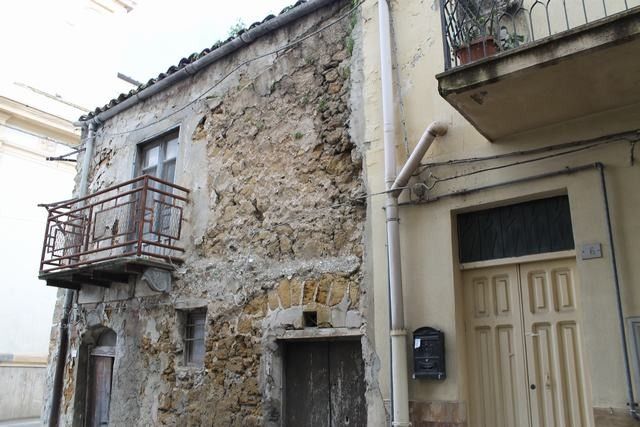
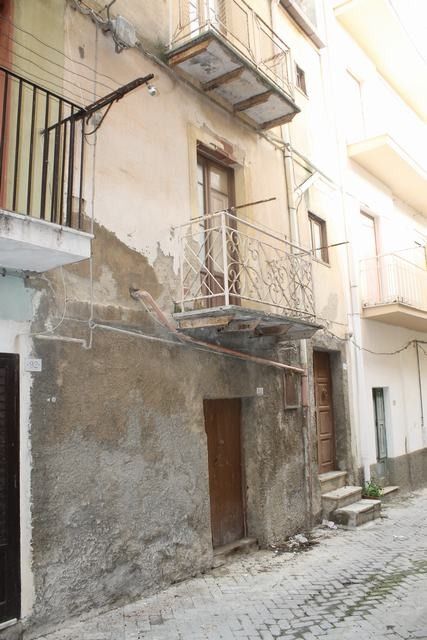
Village houses in the old centres of Sicilian hill towns such as Cianciana.
£8,336Casa Alessi, Via Crispi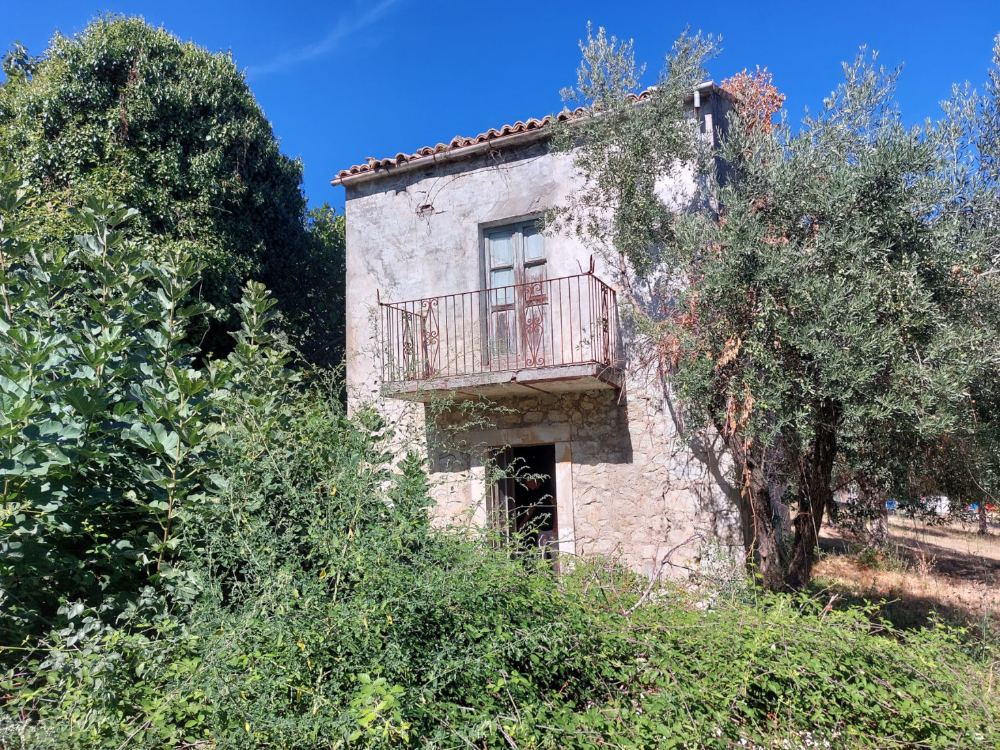
£10,000–£20,000 · 15 homes
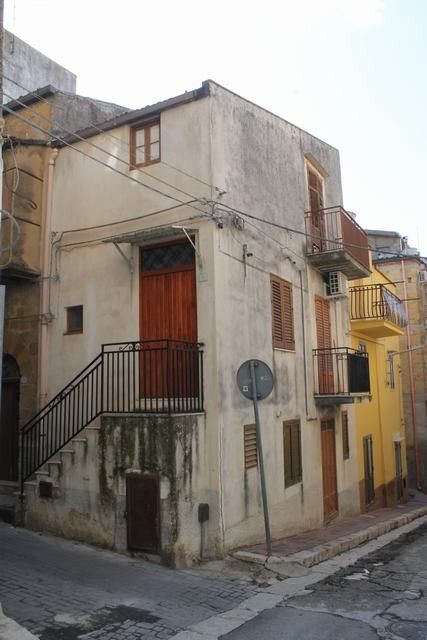
Town and village houses in Sicily, Molise, Abruzzo and Calabria, some with land.
£15,838Small two-level house with 1,035 m² of land and a ruin at Abbateggio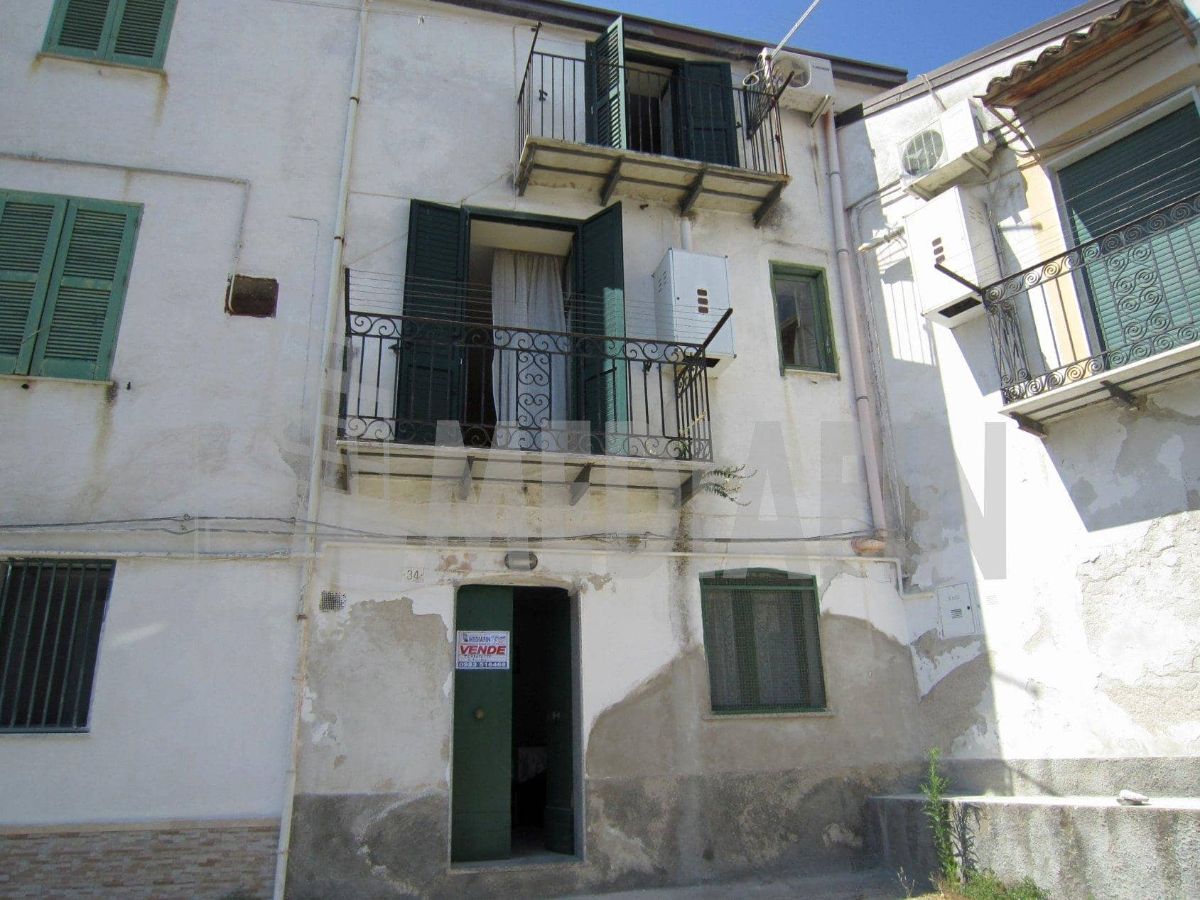
£20,000–£30,000 · 21 homes
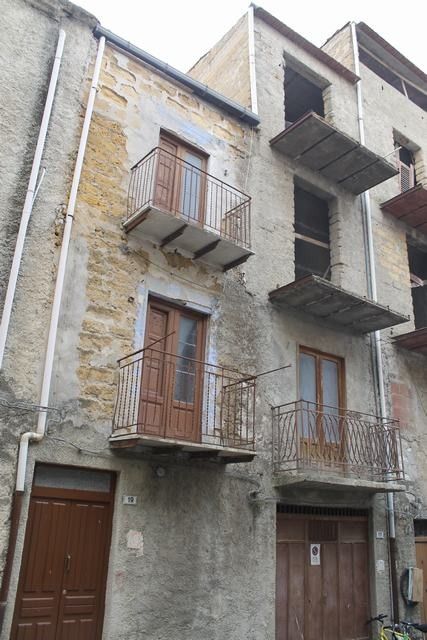
Old-centre houses across the south, some already renovated, and a trullo in Puglia.
£22,507Renovated furnished town house on three levels in the old centre of Rossano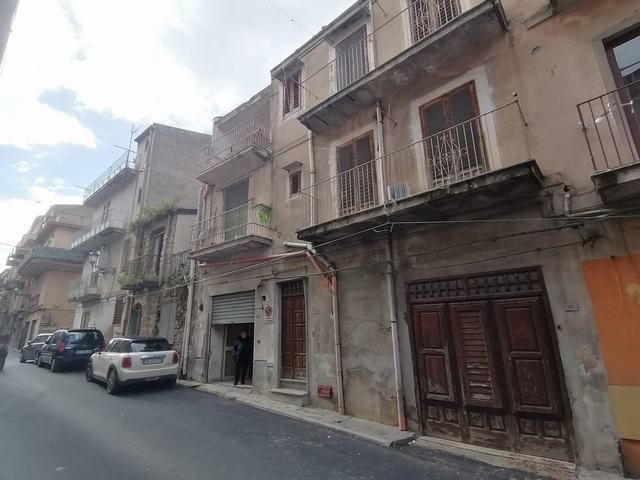
£30,000–£50,000 · 19 homes
Renovated houses, flats in historic buildings and houses with land.
£32,510Casa Losi, Corso Vittorio EmanueleWhere to look
Below £50,000, Italy means the historic hill towns of the south and centre, with many houses to renovate.
Sicily
Hill towns in the province of Agrigento, among them Cianciana, Sambuca di Sicilia and Bivona, and houses near Palermo, Messina and Siracusa. The widest choice on the site.
Abruzzo
Stone villages between the Majella and Gran Sasso mountains and the Adriatic coast.
Molise
Italy’s second-smallest region, with village houses in the provinces of Isernia and Campobasso.
Calabria
The old centre of Rossano, villages near Cosenza, and a flat at Lazzaro, near Reggio Calabria.
Central Italy and Puglia
A few homes further north and east: in Marche, in Umbria, and a trullo in Puglia.
The real cost: a £30,000 house in Italy
The taxes below are for a second home bought from a private seller.
The registration tax is worked out on the cadastral value (the official value in the Catasto), which is usually well below the price paid, so ask the agent or notary for it before you make an offer. If you buy from a company that charges VAT, different taxes apply. Pounds at the site’s rate of the day. Sources: idealista: registration tax on a second home · Giambrone & Partners: buying Italian property from the UK.
How to buy a house in Italy, step by step
Typically one to three months from an accepted offer to the rogito; a mortgage adds several weeks.
Start: the codice fiscaleOffer, checks and the compromessoMonths 1–3: the rogito and the keys
Obtain an Italian tax code
You need a codice fiscale for any purchase. It is free from an Italian consulate in the UK or from the Agenzia delle Entrate, which issues it on the spot in person.
Arrange a bank account or a procura
An Italian bank account is recommended. If you cannot attend the signing, you can give someone power of attorney (procura), authenticated by a notary.
Check the property
Check its records at the land registry (Catasto) and that it complies with planning rules. A technical survey (perizia tecnica) before you commit is worth the cost.
Make a written offer (proposta)
Put your offer in writing. Once the seller accepts it, both sides are committed to going ahead, so make it conditional on anything you still need to check.
Sign the preliminary contract
The compromesso fixes the price and completion date, and you pay a deposit, usually 5–20%. It must be registered within 20 days, for €200 plus 0.5% of the deposit.
Sign the rogito at the notaio
The notary checks the registers and the seller declares the cadastral records match the property. You pay the balance and take the keys. If you do not speak Italian, an interpreter is required.
Registration
The notary registers the deed with the Agenzia delle Entrate and the property registers, and collects the purchase taxes (see Costs above).
Sources: Italian Embassy in Oslo: buying property in Italy as a foreigner · Agenzia delle Entrate: buying a home · Lexidy: buying property in Italy. A summary, not legal advice.
The people you will need
Appoint all three before you make a written offer.
An independent lawyer
The notary is a public official, not your adviser, so a lawyer of your own checks the contracts before you sign the proposta or the compromesso.
A currency specialist
To change pounds into euros for the deposit and completion, and to fix the rate if you wish.
A geometra or surveyor
Checks the Catasto records and planning compliance (the perizia tecnica in step 3), and prices any work.
Questions British buyers ask
Are €1 houses in Italy real?
Some are, but the €1 is never the whole cost. On the €1 house on this site, in Cianciana, the buyer also pays about €3,200 for paperwork such as inheritance successions, plus the agency’s fee, state tax and the notary.
Can a British buyer buy in Italy?
Yes. A British buyer can buy houses and land, farmland included. Italy allows this on the basis of reciprocity, and the notary checks it at completion.
Is a house at auction (asta) a bargain?
Not necessarily. The price shown is a starting bid, not a sale price, and buying at auction follows a different process.
Do I need to go to Italy to buy?
Not always. The codice fiscale is free from an Italian consulate in the UK, and you can give someone power of attorney (procura), authenticated by a notary, to sign for you. If you sign yourself and do not speak Italian, an interpreter is required.